Materials
Stockinette materials: cotton, polyester and poly-cotton
The yarn decides how your stockinette absorbs, stretches and survives the cold chain. Here is how the three options compare.
Material comparison
| Property | 100% cotton | Poly-cotton | 100% polyester |
|---|---|---|---|
| Absorbency / blood wicking | High | Medium | Low |
| Tensile strength | Medium | High | Highest |
| Lint | Higher | Low | Lowest |
| Frozen storage | Good | Very good | Very good |
| Typical use | Fresh chilled lamb and beef | Most export programmes | Heavy beef, frozen, long routes |
Food-contact production
We knit with food-contact yarns on circular knitting machines that use food-grade, non-toxic needle lubricants. Processing aids are vegetable-based or synthetic, with no animal-derived sizing agents, which keeps the fabric suitable for Halal programmes.
- ISO 22000:2018 controls from raw yarn to vacuum packing
- Halal certified textile production
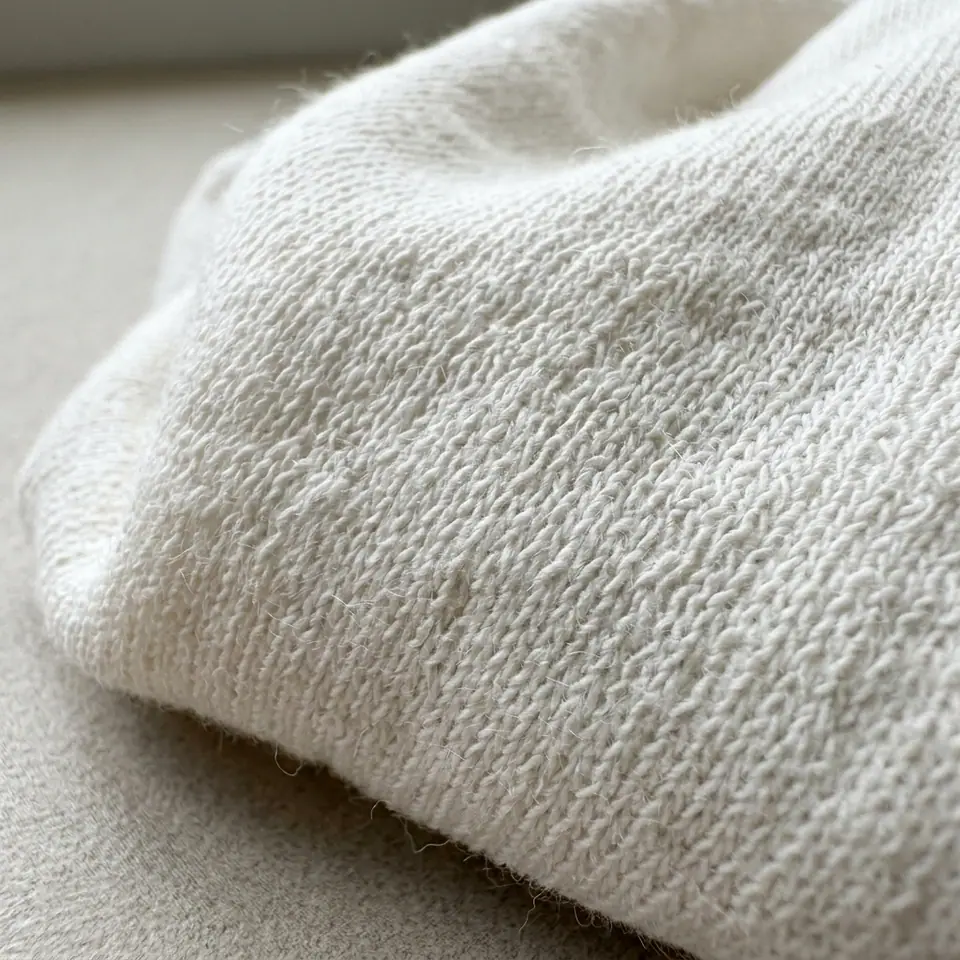
- Natural white fabric; colours on request
Material questions
Cotton or polyester stockinette: which should I choose?
Choose 100% cotton when absorbency and a natural fibre matter (fresh lamb and beef, blood and moisture wicking). Choose polyester or a poly-cotton blend when you need higher tensile strength, less lint and better performance in frozen storage or long export routes. Many buyers use poly-cotton as the balanced option.
Does polyester stockinette absorb blood?
Very little. If blood and moisture wicking matters, choose cotton or a poly-cotton blend.
Can you knit a custom blend ratio?
Yes. Tell us the target ratio or the performance you need and we will propose a blend.
Guides on this topic
Materials
Cotton vs polyester meat stockinette: which is better?
Cotton, polyester or poly-cotton meat stockinette? Compare absorbency, strength, lint and frozen performance, and see which to choose for lamb, beef and export.
Compliance
Understanding ISO 22000 in textile manufacturing
Why ISO 22000 matters for meat-contact textiles like stockinette, what a certified supplier controls from yarn to vacuum packing, and what documents to ask for.
Complete guide
What is meat stockinette? The complete buyer's guide
What meat stockinette is, what it does, types (lamb, beef, rolls, bags), materials, sizing, hygiene and how to buy it factory-direct. Plain answers.